5 Signs Your Tree Didn't Survive the Winter
Every spring, Northwest Indiana homeowners walk their properties after the snow melts and find trees that simply didn't make it through the winter. Sometimes the damage is obvious. Other times, a tree looks perfectly fine until a summer storm reveals a hidden structural problem that's been developing since January. Knowing what to look for in early spring can save you from an emergency removal later in the season, and more importantly, it can protect your home and family from a tree that fails without warning.
Winter in NWI is hard on trees. Lake-effect snow loading, ice storms, freeze-thaw cycles, and sustained cold winds all stress trees in different ways. Some trees handle it. Others don't. The five signs below are what our crew looks for when we assess trees after a hard winter across Portage, Valparaiso, Chesterton, and throughout Lake and Porter Counties.
1. No Leaf Buds by Mid-April
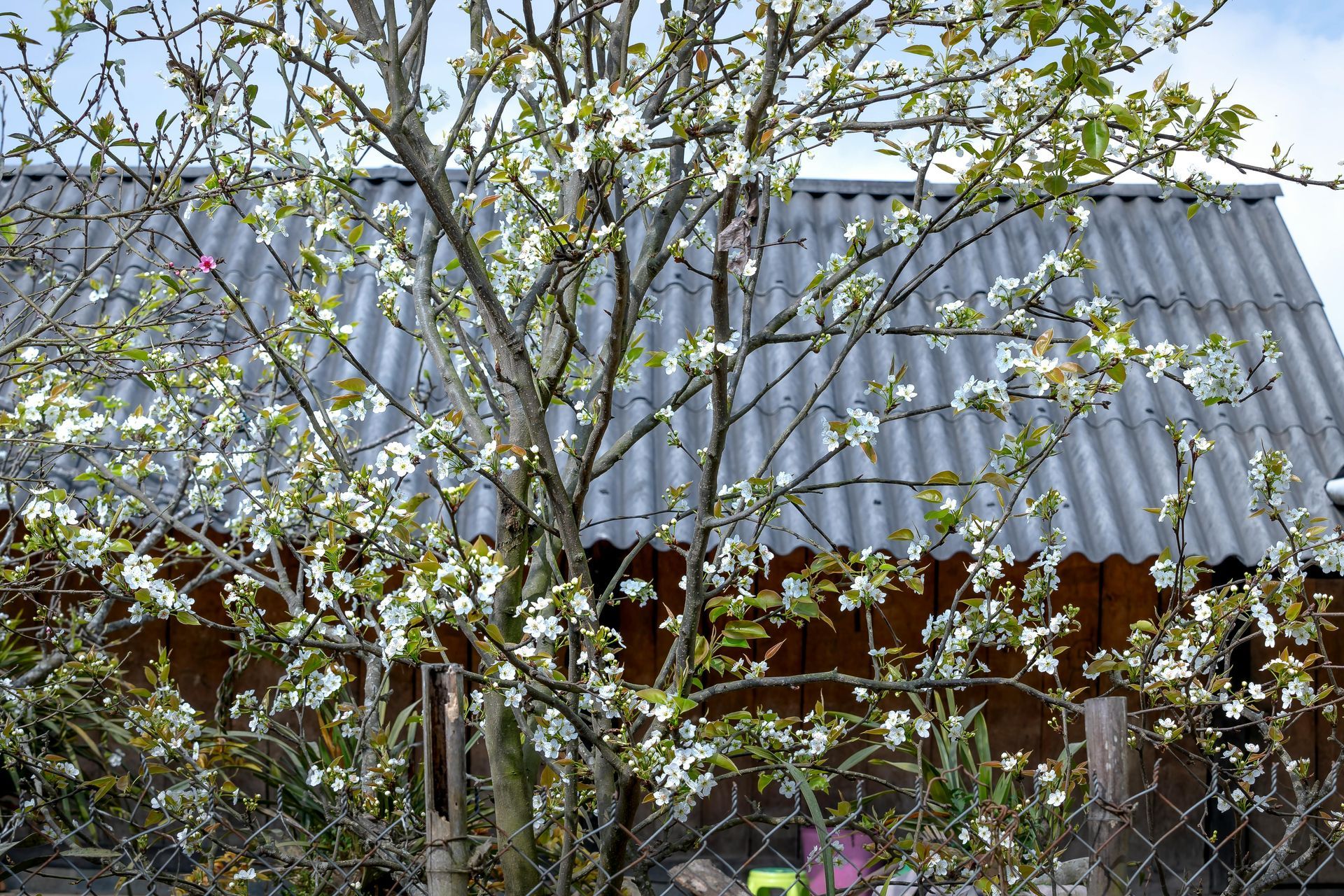
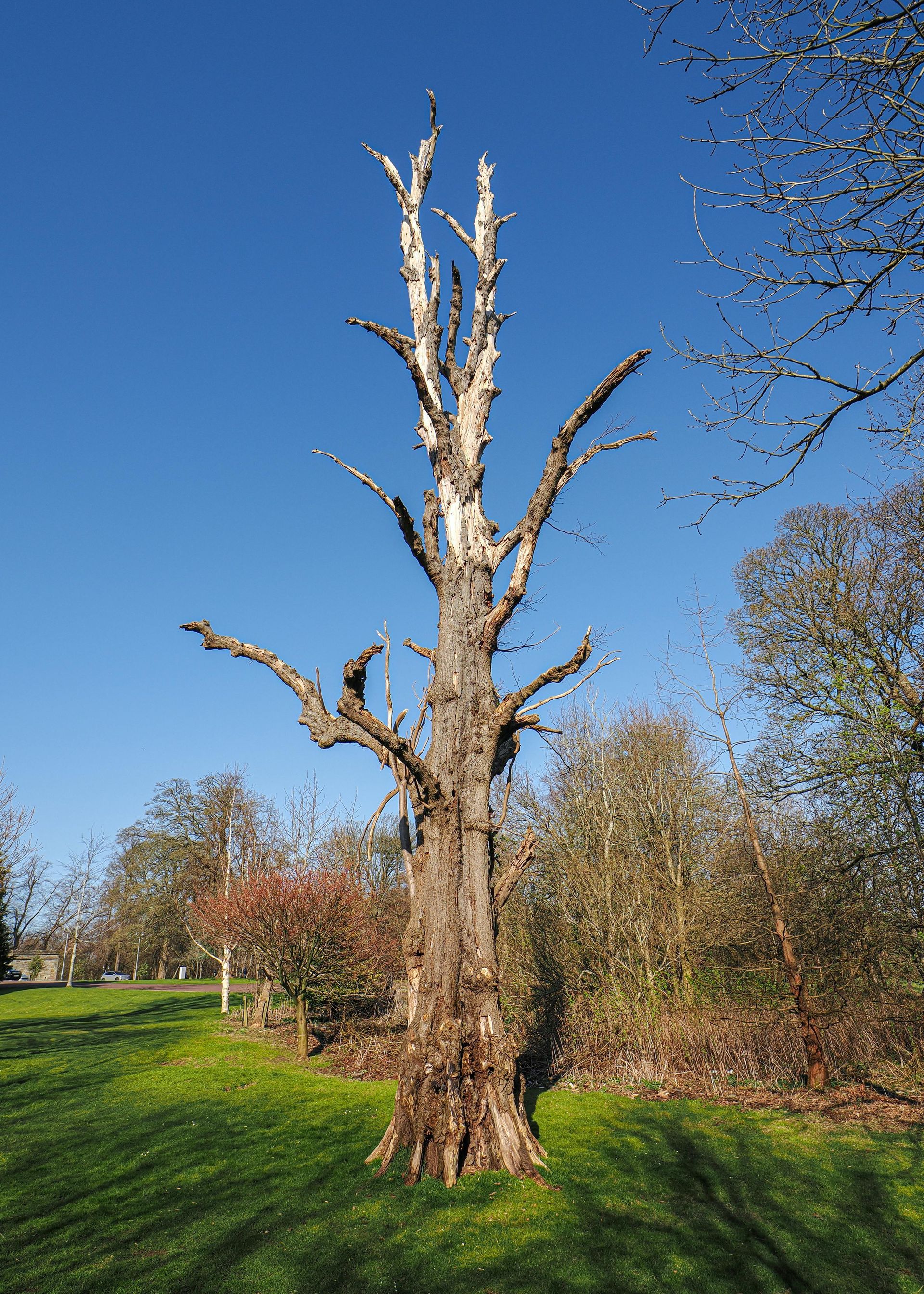
This is the most reliable sign that a tree didn't survive. By mid-April, healthy deciduous trees in Northwest Indiana should be showing visible bud swell or early leaf emergence. If a tree is still completely bare while everything around it is leafing out, that's a serious warning sign. It doesn't automatically mean the tree is dead, but it does mean the tree is under significant stress and deserves a professional look.
The scratch test is a simple way to check. Find a small twig on the tree and scratch the outer bark lightly with your fingernail. If the layer underneath is green and moist, the tree is alive. If it's brown and dry, that branch is dead. Work your way from the smaller branches toward the main trunk to get a sense of how far the dieback has progressed. A tree with dead tips but live tissue closer to the trunk may recover. A tree with dead tissue all the way to the main scaffold branches likely won't.
If you're not sure, Trees Plus offers free assessments throughout our service area. A quick visit from our crew can tell you whether you're dealing with a recoverable stress situation or a tree that needs to come down before summer storms arrive.
2. Bark That Is Cracked, Peeling, or Sunken
Winter sun scald is a common problem on young and thin-barked trees in Northwest Indiana. It happens when warm afternoon sun heats the bark on a cold day, causing cells on the south or southwest side of the trunk to break dormancy prematurely. When temperatures drop again at night, those cells die, leaving a discolored, sunken, or cracked wound on the trunk. This condition is called southwest disease or frost crack, and it's particularly common on maples, apples, and young oaks.
More serious bark damage to look for includes large sections of bark that are separating from the wood underneath, oozing sap or dark staining running down the trunk, and vertical cracks that weren't present last fall. These can indicate cambium damage from hard freezes, fungal infection that took hold during a wet fall, or structural cracking from ice loading. Any significant bark damage on a large tree near your home warrants a professional assessment rather than a wait-and-see approach.
3. Hanging or Broken Limbs in the Canopy
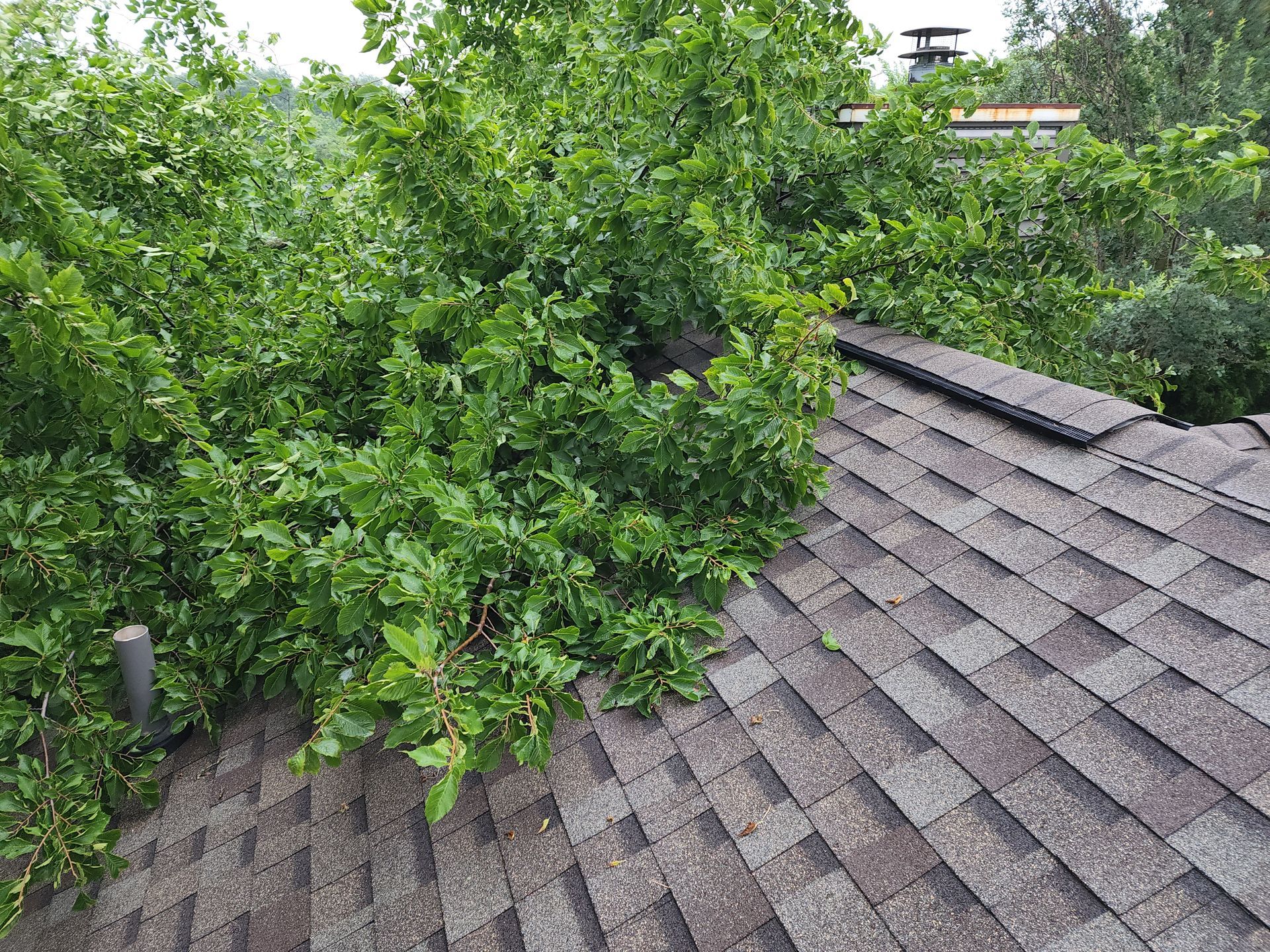
Ice storms are particularly brutal in the Highland , Munster , and Griffith areas, where heavy glaze ice can accumulate on branches and add hundreds of pounds to a single limb. The problem with ice damage is that limbs often don't fall during the storm. They crack, split partially, and stay suspended in the canopy held up by surrounding branches. These are called widow makers, and they are one of the most underestimated hazards in a residential yard.
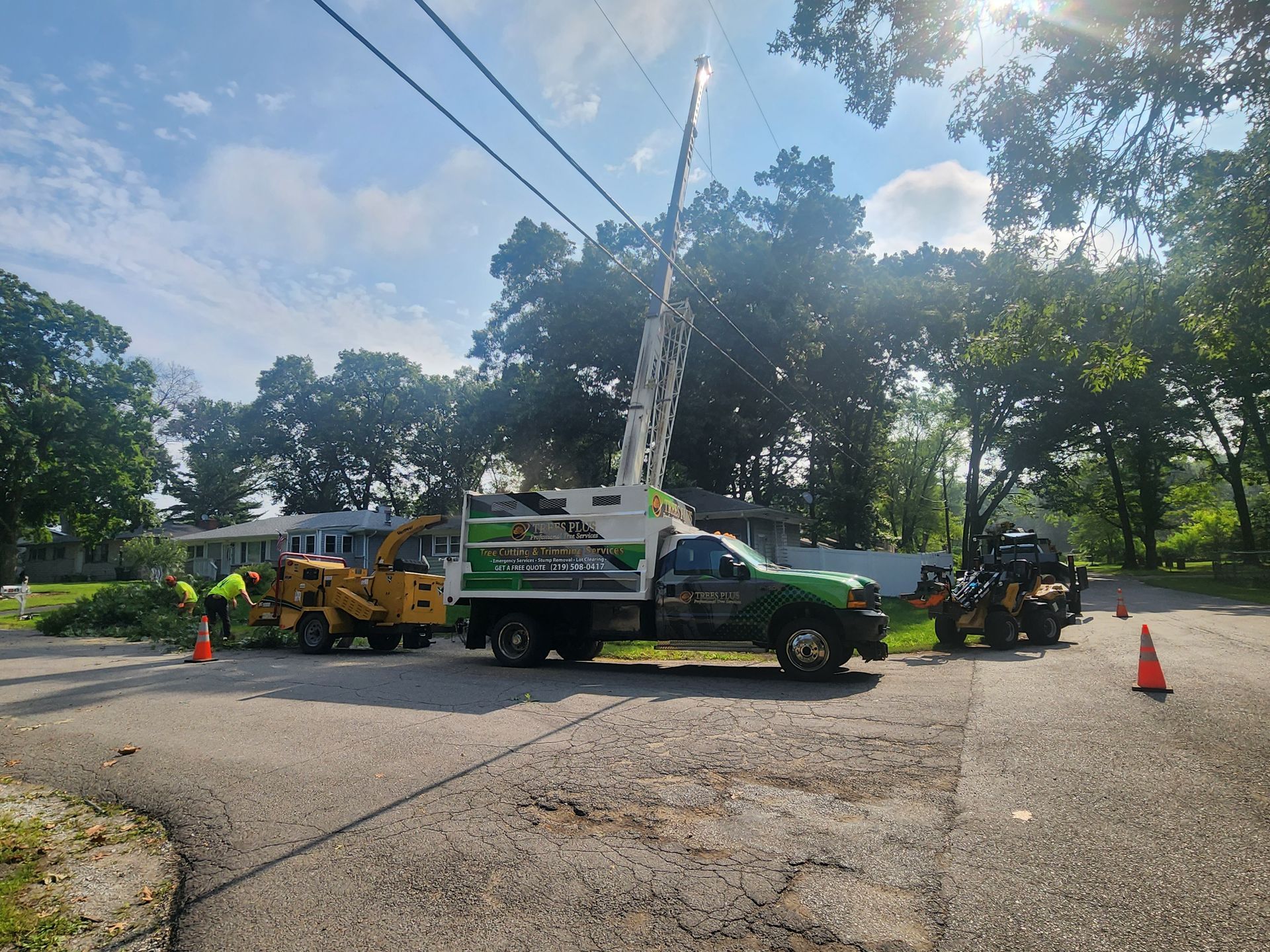
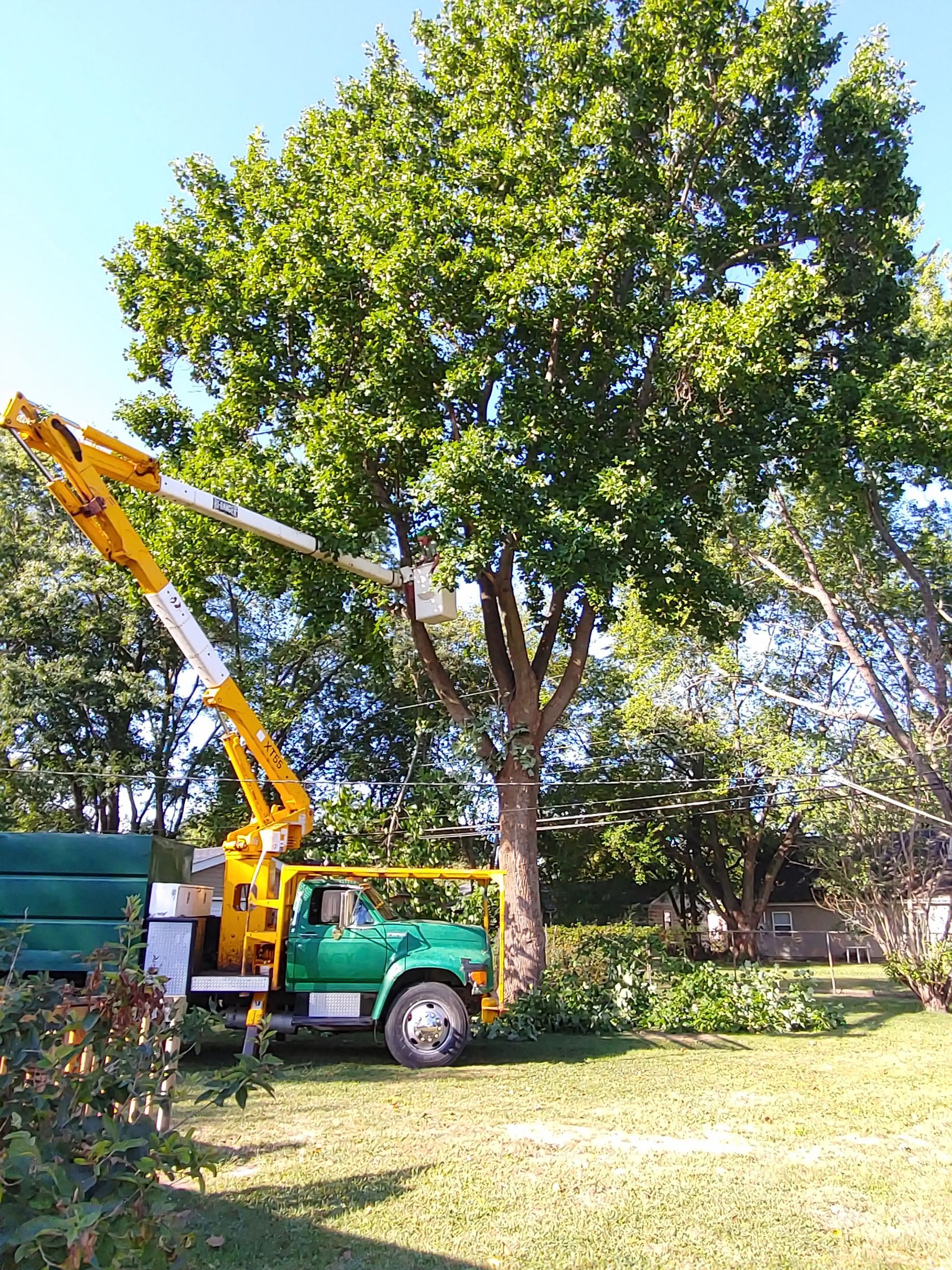
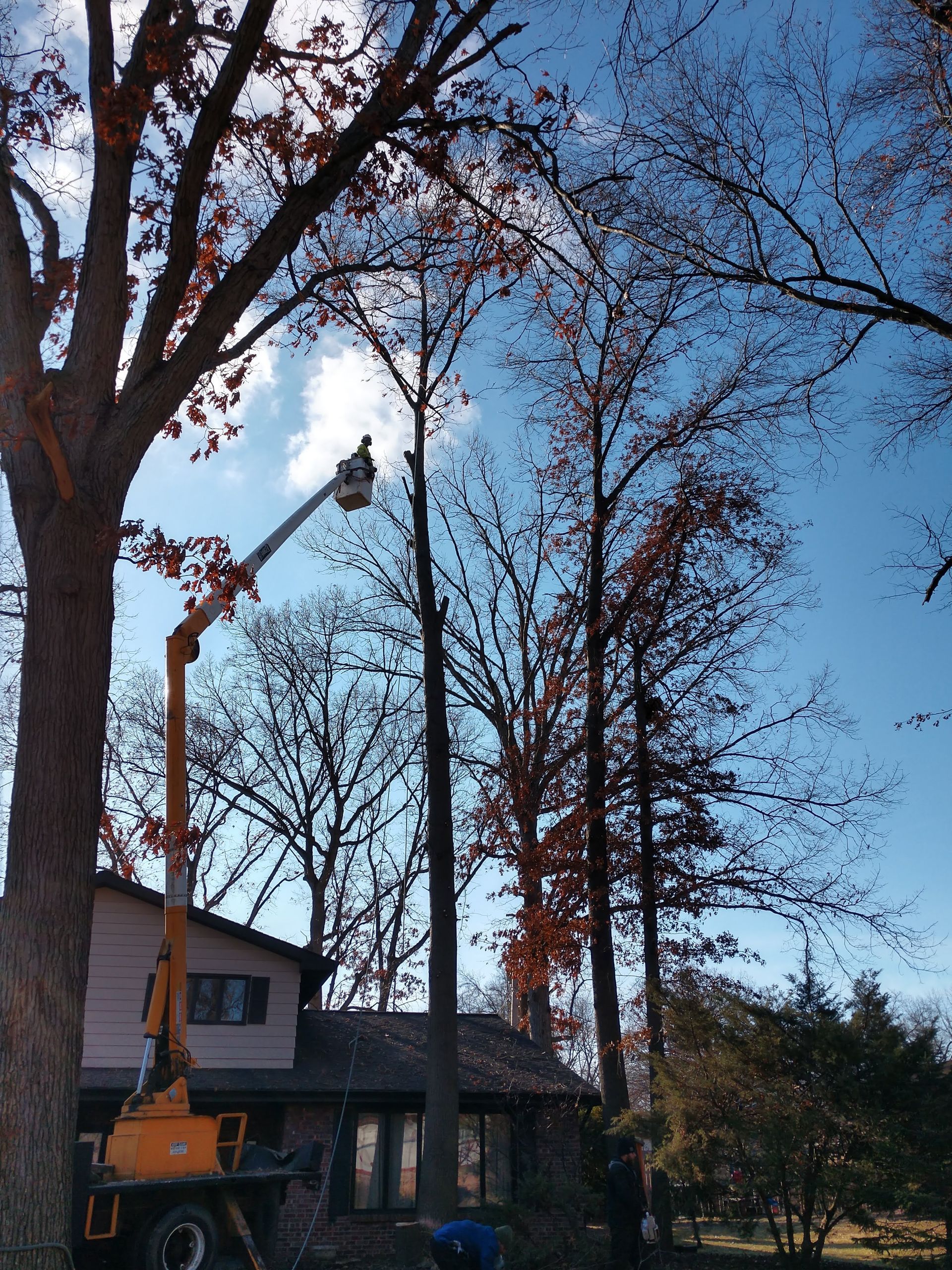
Walk around your trees and look up into the canopy this spring. Look for limbs that are hanging at an unusual angle, sections of the canopy that look disrupted, or large branches resting on lower limbs rather than attached to the trunk. Any hanging limb over a walkway, driveway, or structure should be removed by a professional. Our crew handles tree removal and canopy work safely throughout NWI, and we have the bucket truck reach to access high limbs without climbing into a compromised tree.
4. A Significant Lean That Wasn't There Before
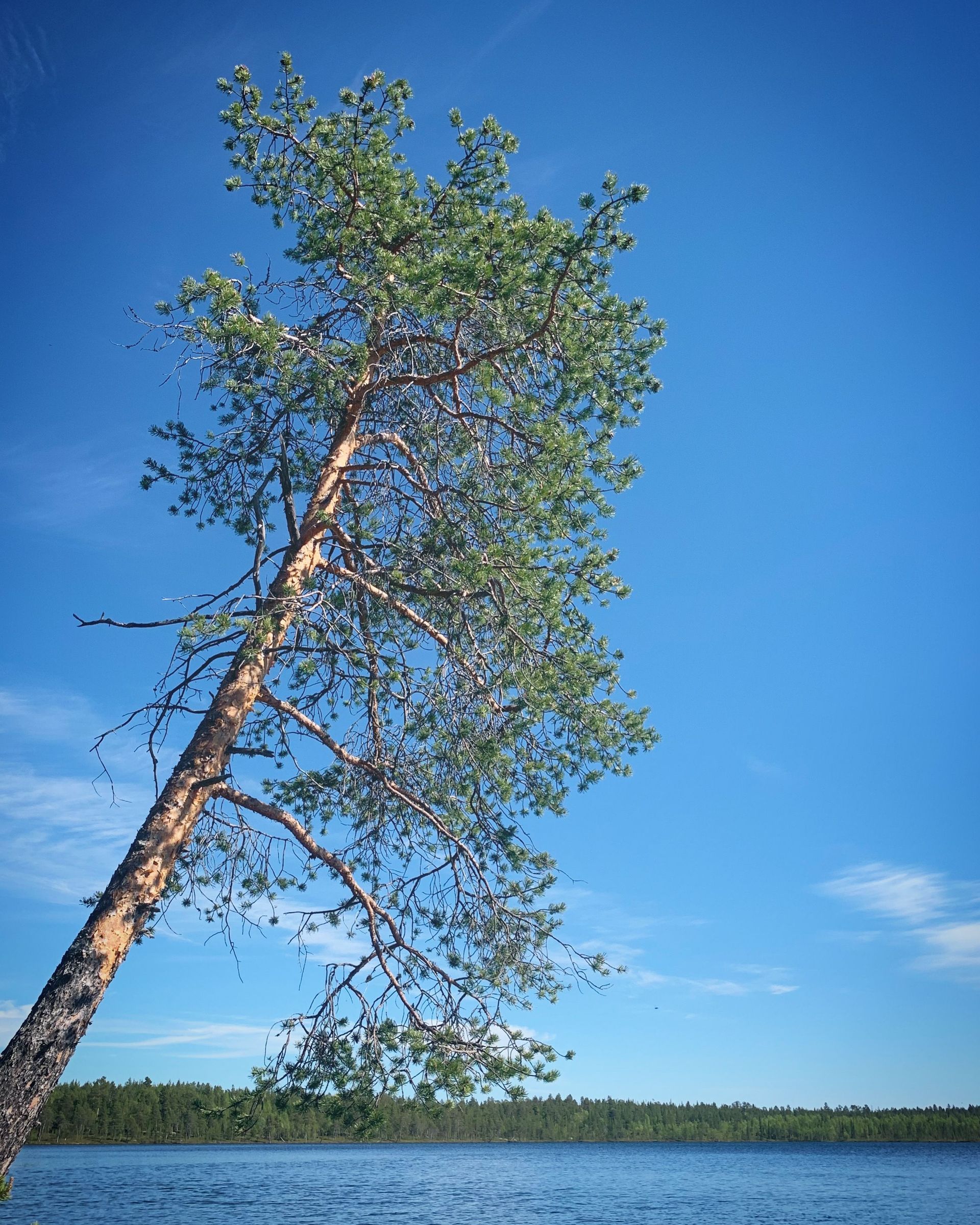
Some trees naturally grow at a slight angle, and that's not a problem on its own. What you're looking for is a lean that has developed or increased since fall. When the ground freezes and thaws repeatedly through a NWI winter, and when wind loading from lake-effect storms repeatedly pushes a tree in the same direction, root systems can shift. A tree that has started leaning toward your house since last year is telling you something important about its root stability.
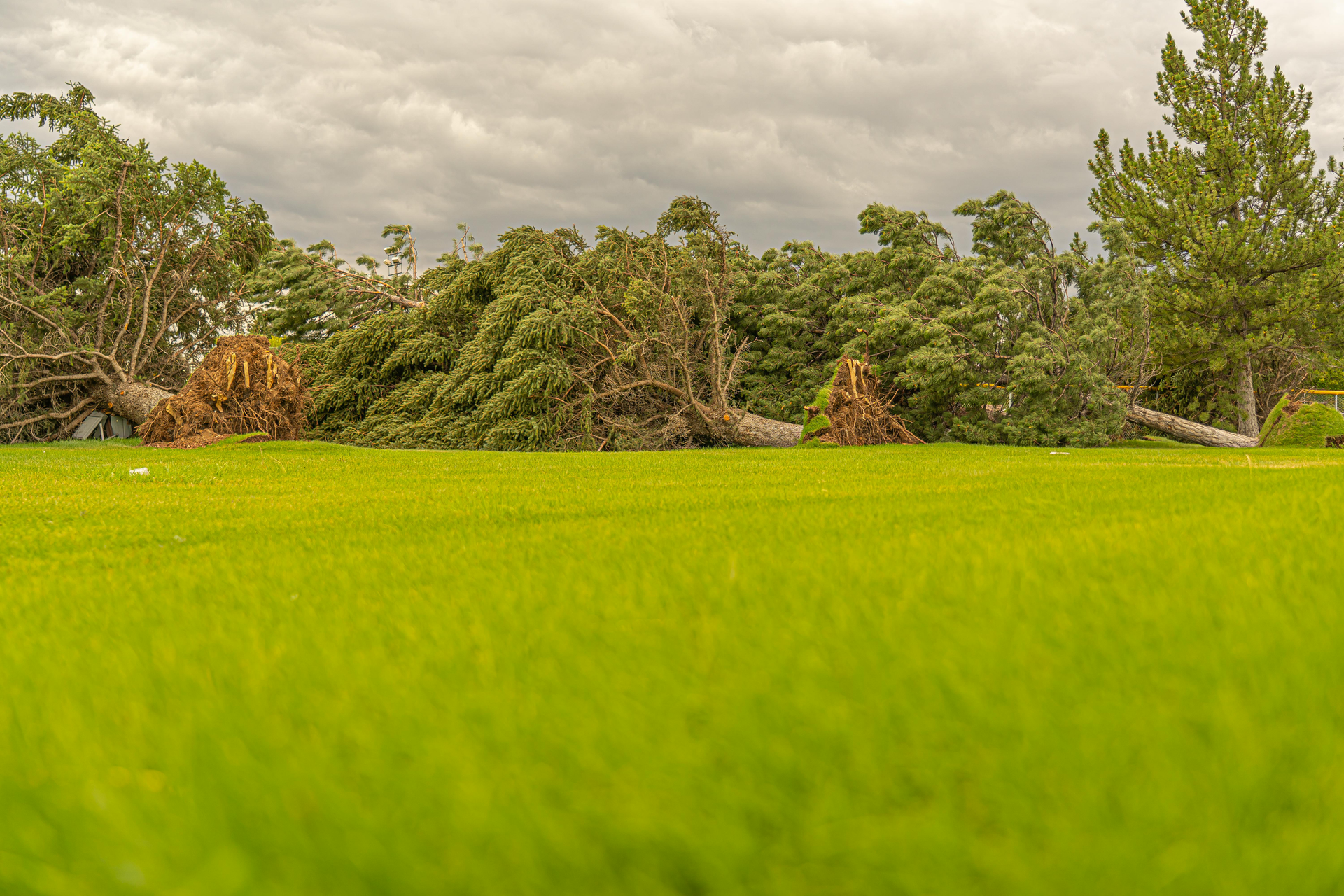
Check the base of the tree closely as well. If the soil is heaving up on the side opposite the lean, that's a sign that roots are lifting. This is a serious structural concern that should be evaluated immediately, particularly on large trees near structures. Trees Plus serves Crown Point, Merrillville, Hobart, and the surrounding Lake County area with emergency and standard tree removal for exactly these situations.
5. Fungal Growth at the Base or on the Trunk
Shelf fungus, bracket fungus, and mushroom clusters growing from the base or trunk of a tree are signs of internal wood decay that is often far more advanced than what's visible on the outside. Fungi don't colonize healthy wood. When you see them on a living tree, it means the heartwood inside has been compromised. The tree may look structurally sound, but the interior may be hollowed out enough that a strong wind could bring it down.
Fall is actually when fungal growth is most visible, but spring walks often reveal new growth that emerged late in the previous season and was hidden by foliage. If you find fungal growth on a large tree near your home or a high-traffic area, don't ignore it. Call for a professional assessment. In many cases, trees with fungal decay need to come down, and the timing matters because summer storm season in NWI doesn't give much warning.
What to Do If You Find These Signs
If your spring walkthrough turns up any of these warning signs, the right move is to call a licensed, insured tree service company for a professional assessment. Don't wait until the tree fails. Emergency storm removals are more expensive, more disruptive, and more dangerous than planned removals, and they often happen at the worst possible time.
Trees Plus serves all of Lake and Porter Counties from our base in Portage. We've been helping Northwest Indiana homeowners identify and address hazard trees since 2014, and spring is one of our busiest assessment seasons for exactly this reason. Call us at 219-508-0417 or visit our contact page to schedule a free assessment. Catching a problem tree in spring is one of the best investments a homeowner can make before summer storm season begins.