Spring Tree Care Tips for Northwest Indiana Homeowners
Spring tree care in Northwest Indiana isn't complicated, but it does require attention. The season between the last frost and the start of summer storm season is one of the most important windows for tree health, and what you do or don't do during these weeks has a direct effect on how your trees perform and whether they stay safe through the rest of the year. This guide walks through the essential spring tasks for NWI homeowners with mature trees on their property.
Trees Plus has been serving Lake and Porter Counties since 2014, and spring is consistently our busiest season for assessments and trimming. These are the tasks and checks that our crew recommends to every homeowner we work with across the region.
Do a Full Walkthrough Before the Leaves Come In
The single most useful spring tree care task requires no tools and no professional help. It just requires walking slowly around every significant tree on your property before the leaves emerge and looking carefully at what you see. Early to mid-April, when buds are swelling but leaves haven't opened yet, gives you the clearest possible view of the tree's structure.
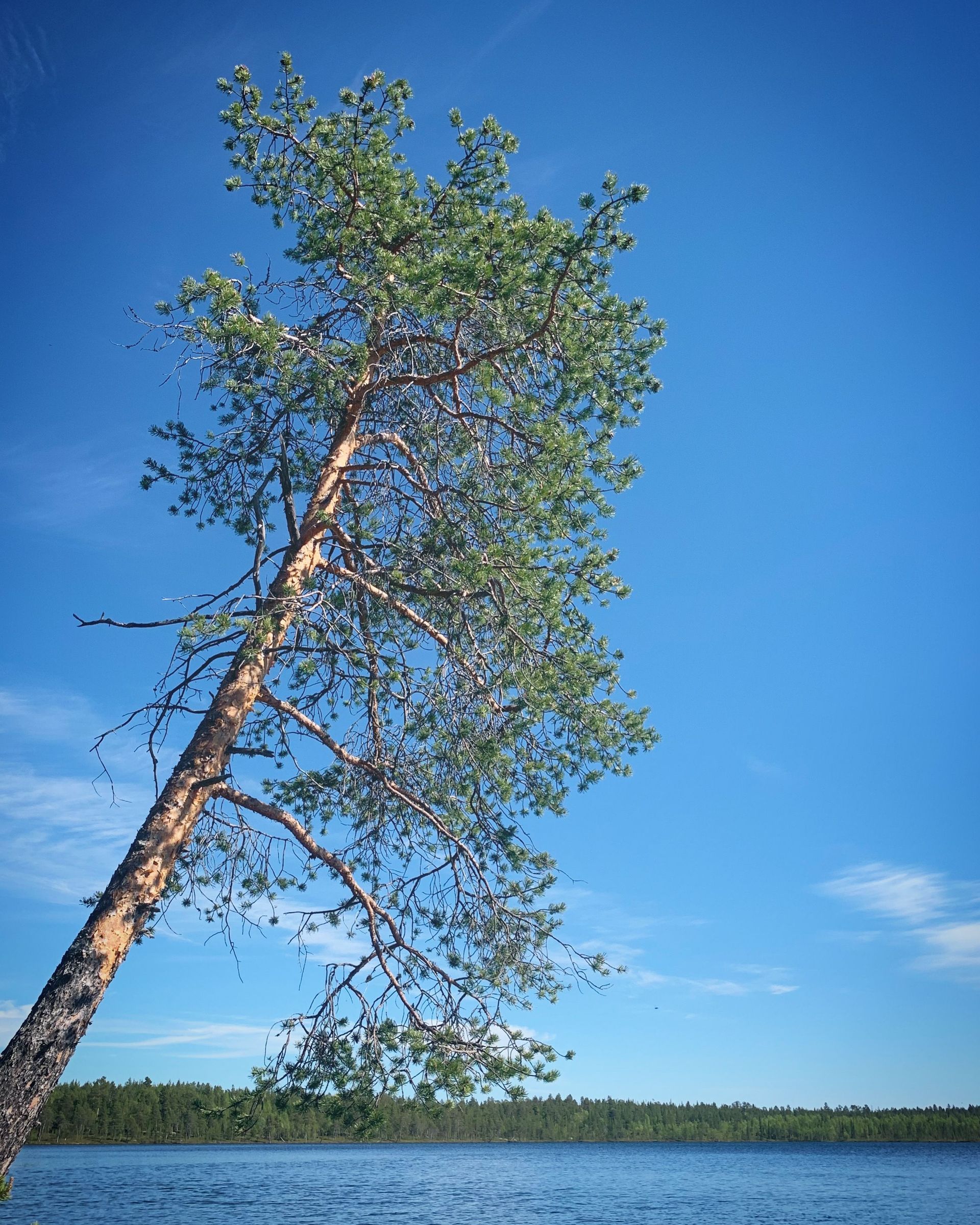
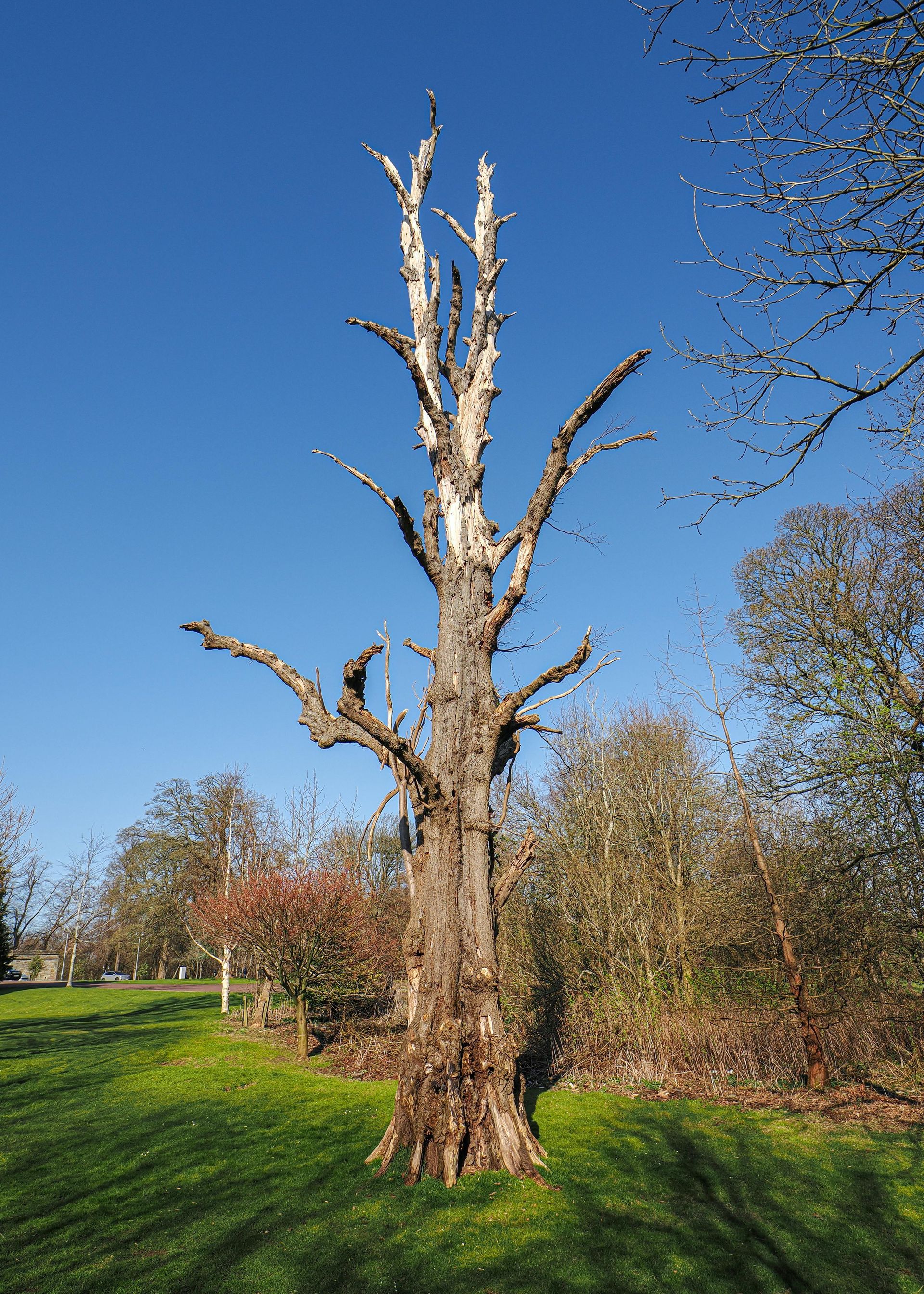
You're looking for anything that wasn't there last fall. New cracks in the bark, limbs that are hanging or resting on other branches rather than attached to the trunk, significant new lean, frost heaving around the base of the tree, and any new fungal growth on the trunk or major roots. Take photos of anything that concerns you. If you find something worth noting on a large tree near your home, particularly in dense communities where trees are close to structures, call for a professional assessment before the tree leafs out and the problem gets harder to see.
Schedule Structural Trimming Before Bud Break When Possible
Late winter through early spring, before trees break dormancy, is the optimal window for structural trimming of most hardwood species. Trees respond to pruning cuts most efficiently when they're just breaking dormancy and entering peak growth phase, with callus tissue forming quickly over fresh wounds. The canopy is also fully visible without leaves, which means a skilled trimmer can see the whole architecture of the tree and make better decisions about what to remove.
For oak trees specifically, trimming before mid-April is strongly recommended in Northwest Indiana due to oak wilt pressure in the region. Oak wilt enters through fresh pruning wounds and is spread by beetles that become active as spring temperatures rise. Chesterton , Valparaiso , and the communities throughout Porter County have seen confirmed oak wilt cases in recent years, making timing a genuine health concern for oak owners, not just a preference.
If you missed the pre-bud break window, mid to late summer, after July 15 or so, is the next best window for oak trimming. Avoid the mid-April through early July high-risk period when beetle activity peaks. For other hardwood species, trimming can be done throughout the season, though spring and fall are generally better than midsummer for wound closure efficiency.
Check Trees After the First Heavy Storms of the Season
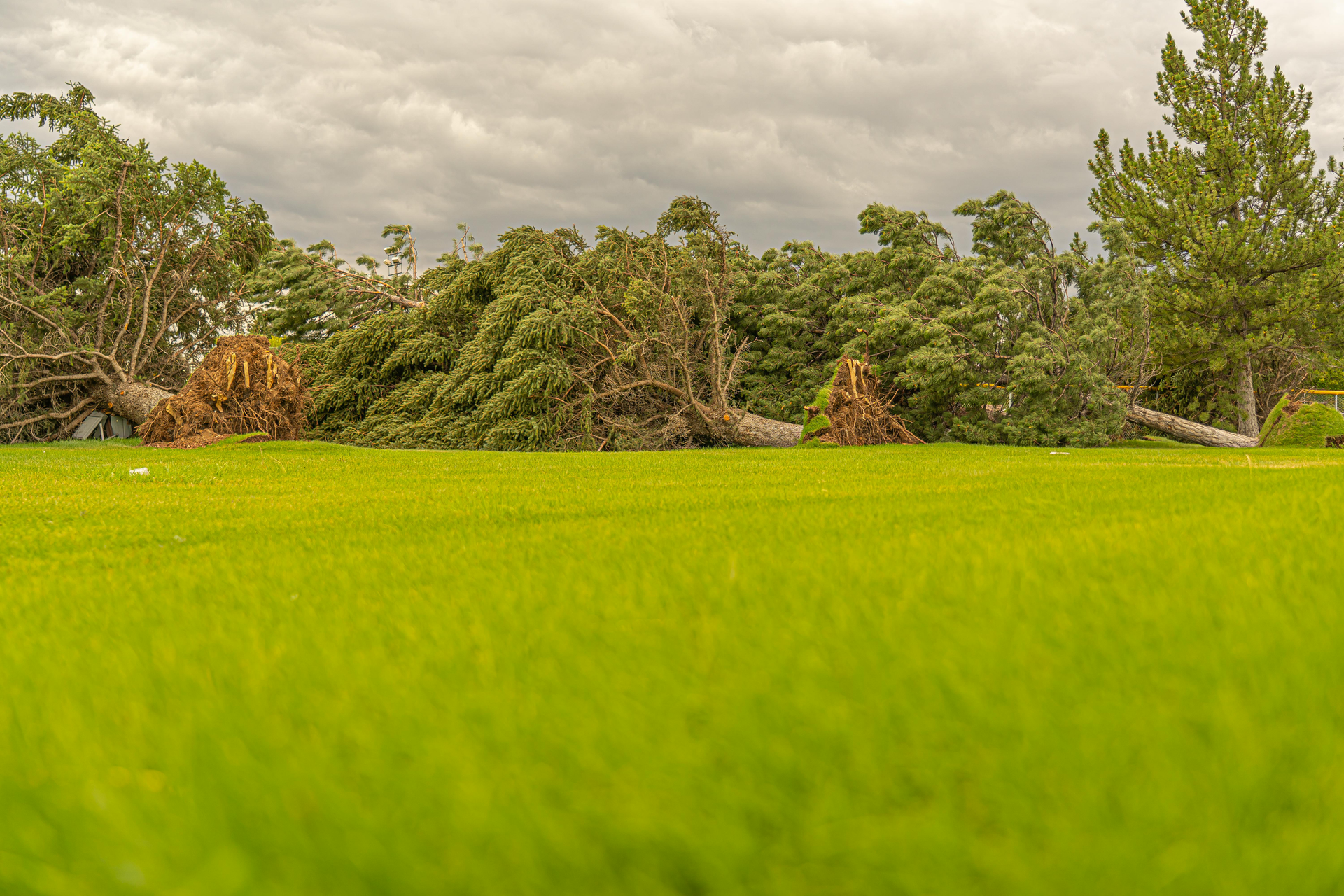
The first severe thunderstorms of spring often catch trees in a vulnerable state, with fresh foliage adding significant wind resistance before the season's root and branch structure has fully hardened off. After any storm that includes sustained winds above 50 miles per hour, walk your property and inspect your trees for newly hanging limbs, fresh bark damage, and any increase in lean.
Pay particular attention to silver maples, which are one of the most common trees in Lake County throughout the established neighborhoods of Merrillville and Crown Point . Silver maples are structurally weak compared to most hardwoods. Their branch attachments are prone to failure, and a storm that doesn't bother most trees can still drop significant limbs from a large silver maple. If you have one near your home, a professional assessment every spring is a sound investment.
Consider Stump Grinding for Old Stumps Before They Cause Problems
Spring is also a good time to address stumps from previous tree removals that have been sitting in your yard. Old stumps don't just look bad. They attract wood-boring insects, harbor fungal pathogens that can spread to nearby healthy trees, and create tripping hazards that become more dangerous as grass grows up around them.
Stump grinding is most efficiently done when the ground is firm and not saturated from spring snowmelt, which typically means late March through May in Northwest Indiana. Our crew grinds stumps four to six inches below grade throughout the region, with full cleanup of the grindings. If you have multiple stumps on your property, having them all addressed in a single visit is significantly more cost-effective than scheduling them separately throughout the year.
Think About Lot Clearing and Land Prep for Summer Projects
If you're planning any construction, landscaping, or land development this year, spring is the time to get tree and land clearing scheduled before contractor schedules fill up and before the heat of summer makes large-scale clearing work more difficult and expensive. Trees Plus handles lot clearing throughout Lake and Porter Counties, from single-tree removals to multi-acre clearing projects for new construction.
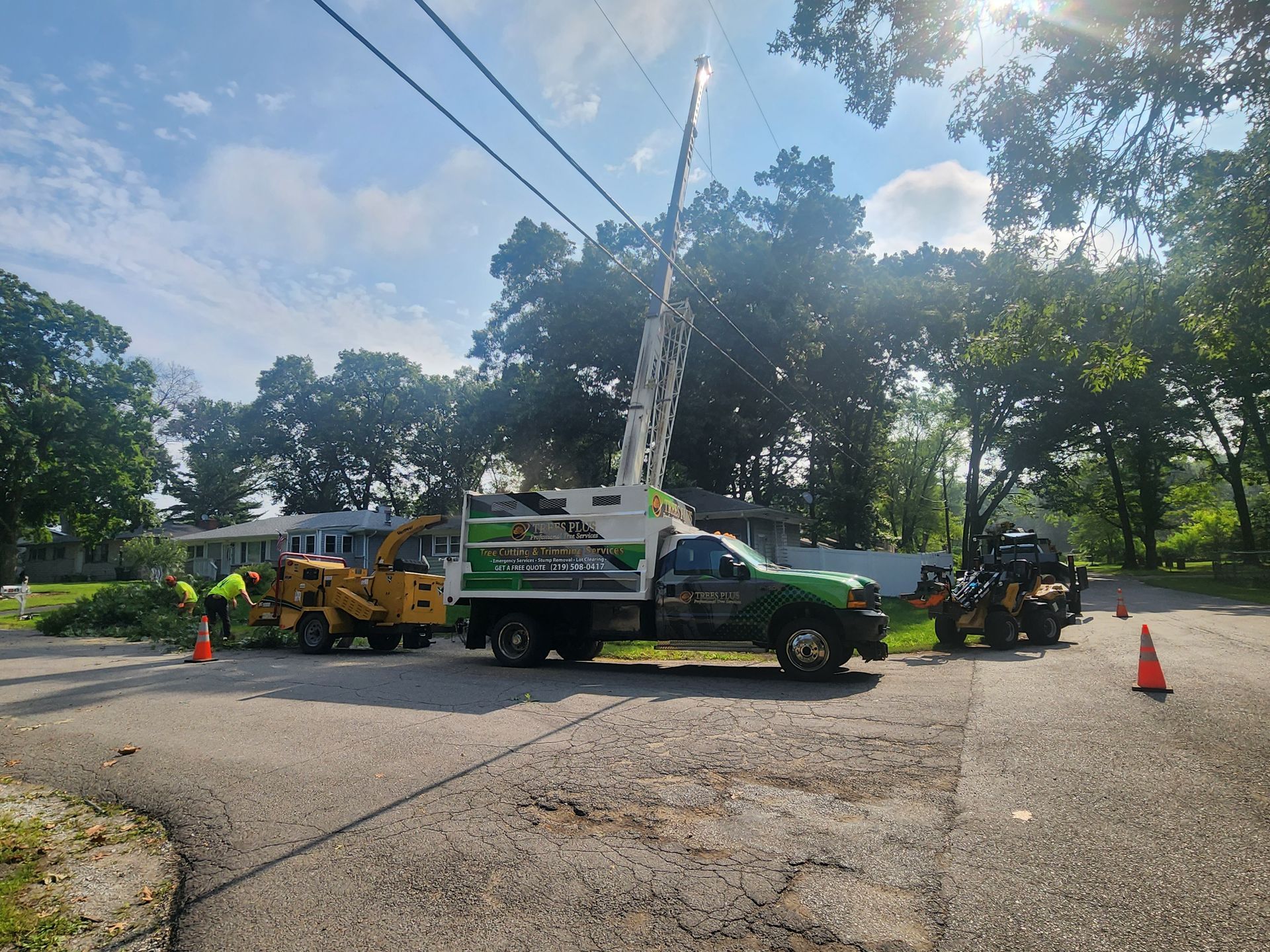
Rural communities like Hebron , Kouts , and Lowell see significant demand for spring lot clearing as landowners prepare agricultural fence lines and rural properties for the season. If you have clearing work planned, early scheduling gives you more date flexibility and ensures our full equipment package, including the 94-foot crane and high-capacity chipper, is available for your job.
Call for a Free Assessment If You're Not Sure
The most important thing to know about spring tree care is that professional assessment is free from Trees Plus and costs you nothing to schedule. If you walked your property this spring and found something that gave you pause, don't spend the rest of the season wondering whether it's a problem. Call us at 219-508-0417 or visit our contact page and we'll schedule a visit to take a look.
We serve all of Lake and Porter Counties from Portage, and spring assessment season is when we're most able to get to properties quickly and give homeowners clear, honest guidance about what needs to be done now versus what can wait. Getting your trees assessed in April rather than after a storm in July is always the better call.