Why Spring Is the Best Time to Schedule Tree Trimming in NWI
Most Northwest Indiana homeowners think about tree trimming when something goes wrong, when a branch is scraping the roof, when a limb came down in a storm, or when a neighbor mentions that a tree looks unhealthy. Reactive tree care is common, but it's also more expensive and more disruptive than proactive maintenance. Spring is the best time to get ahead of your trees, and understanding why can help you make better decisions about when to call.
Trees Plus serves all of Lake and Porter Counties, and we stay busy through spring for a straightforward reason: homeowners who schedule trimming in spring consistently get better results at lower cost than those who wait for a problem to force the issue. Here's what drives that difference.
Dormancy Has Just Ended and Wound Closure Begins Immediately
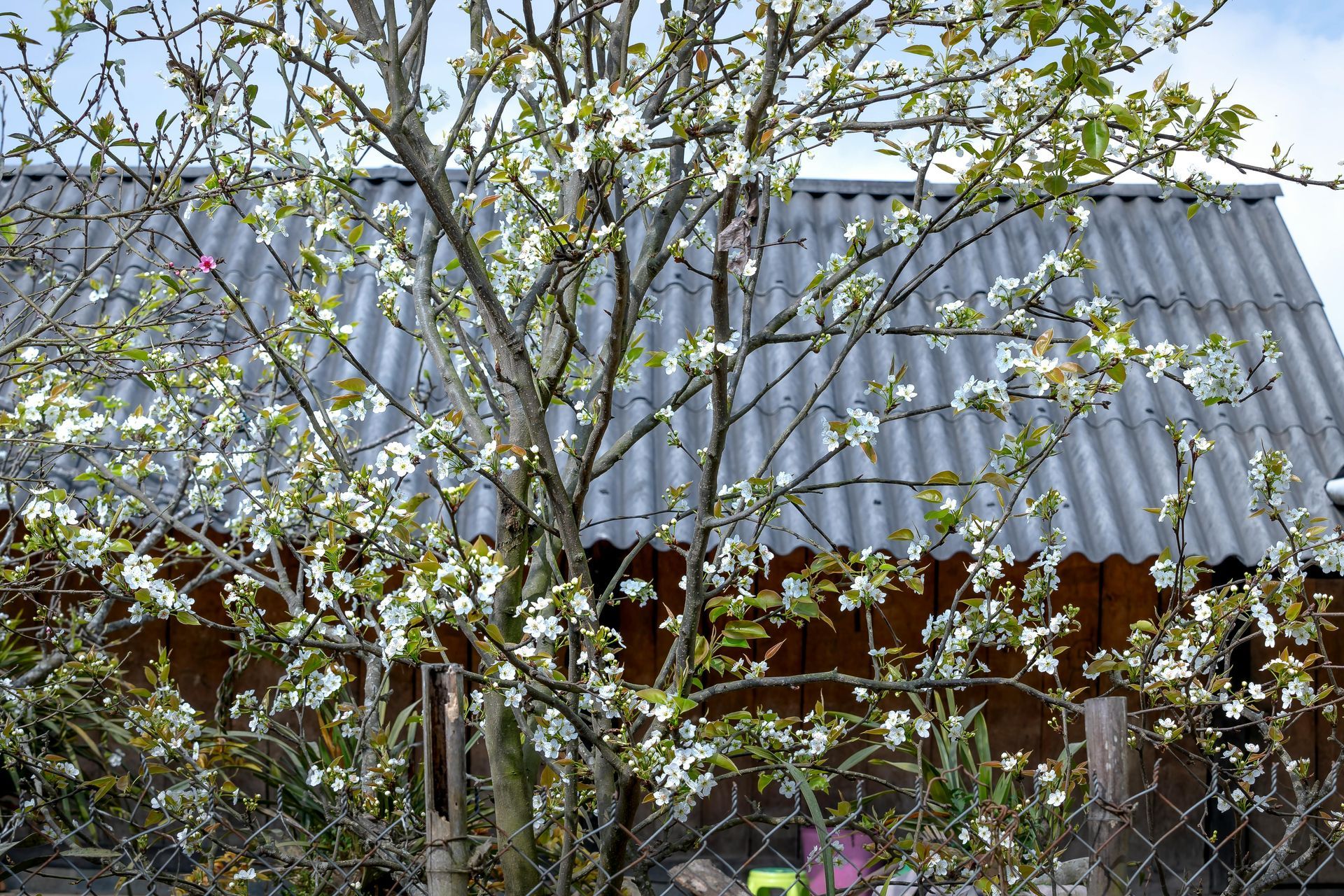
Trees don't bleed when they're trimmed. They compartmentalize. When a branch is removed, the tree responds by growing callus tissue over the wound, sealing it off from insects and fungal pathogens. In spring, just as trees are breaking dormancy and entering their most vigorous growth phase, that wound response is at peak efficiency. A cut made in late March or April will begin closing within weeks. The same cut made in August, when trees are starting to slow their seasonal growth, may stay open for months before the tree has enough energy to respond.
This matters most for oaks. Oak wilt, a fungal disease that has been spreading through Porter County and is present in Lake County as well, enters oak trees through fresh wounds. The disease is carried by sap beetles that are most active from mid-April through early July. Pruning oaks in late winter before beetle activity peaks, or waiting until late summer after the peak risk window has passed, significantly reduces the chance of introducing the disease. If you have oak trees on your property in Valparaiso , Chesterton , or the surrounding Porter County area, timing your trimming correctly is genuinely important.
The Structure of the Tree Is Fully Visible
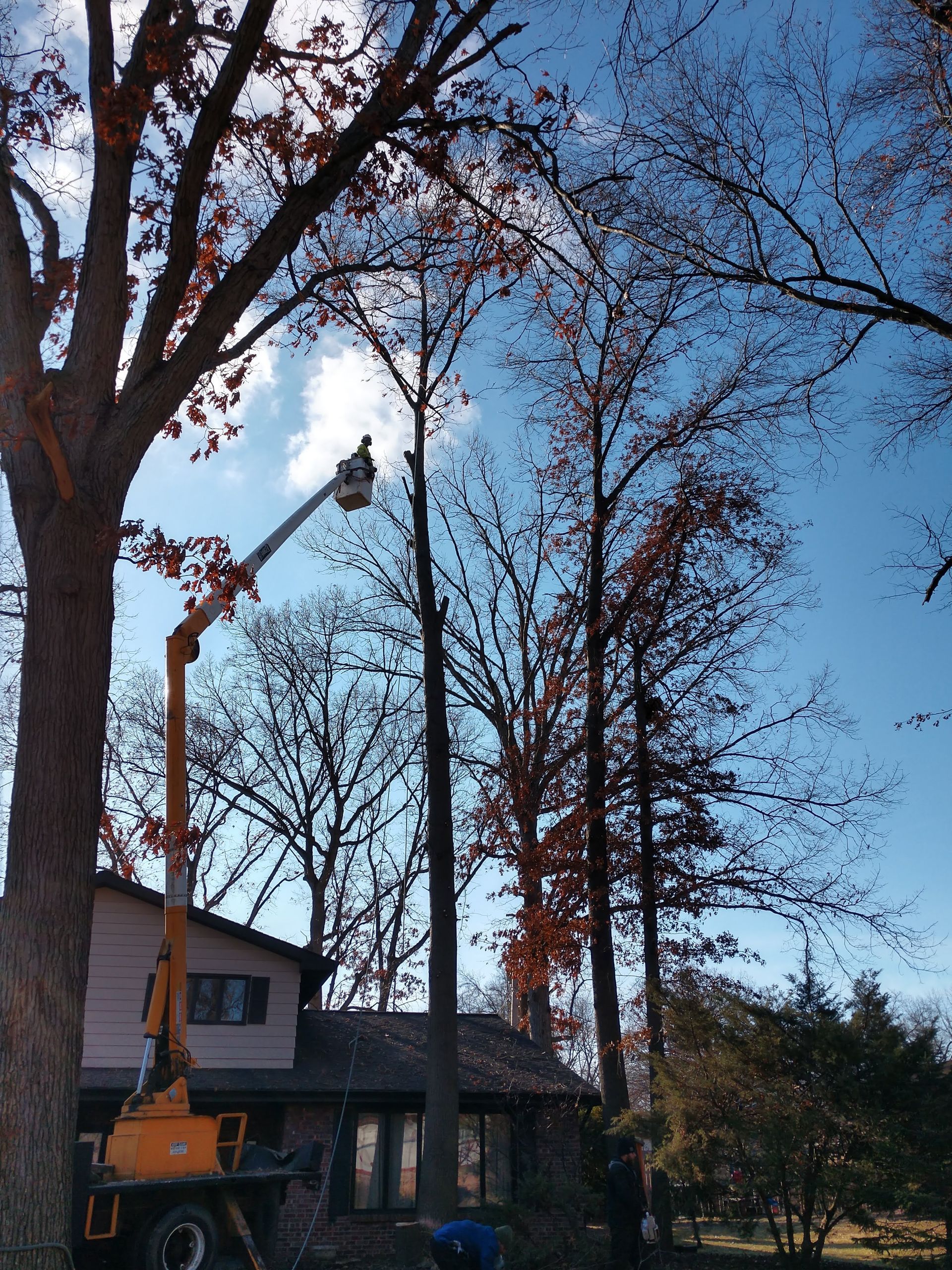
Once a tree leafs out in May, assessing its true structure becomes much harder. Leaves hide crossing branches, dead wood, co-dominant stems, and the kinds of structural problems that a skilled trimmer needs to address. In late winter and early spring, before bud break, every branch and its relationship to the rest of the canopy is fully exposed. This means a better assessment, more precise cuts, and a higher quality result.
This visibility advantage is especially valuable in older, established neighborhoods where trees have decades of growth to sort through. Communities like Highland , Munster , and Crown Point have significant silver maple and oak canopies where structural pruning requires seeing the whole architecture of the tree before deciding what to remove. Trying to do that work through a full summer canopy is guesswork compared to spring assessment.
You're Getting Ahead of Storm Season
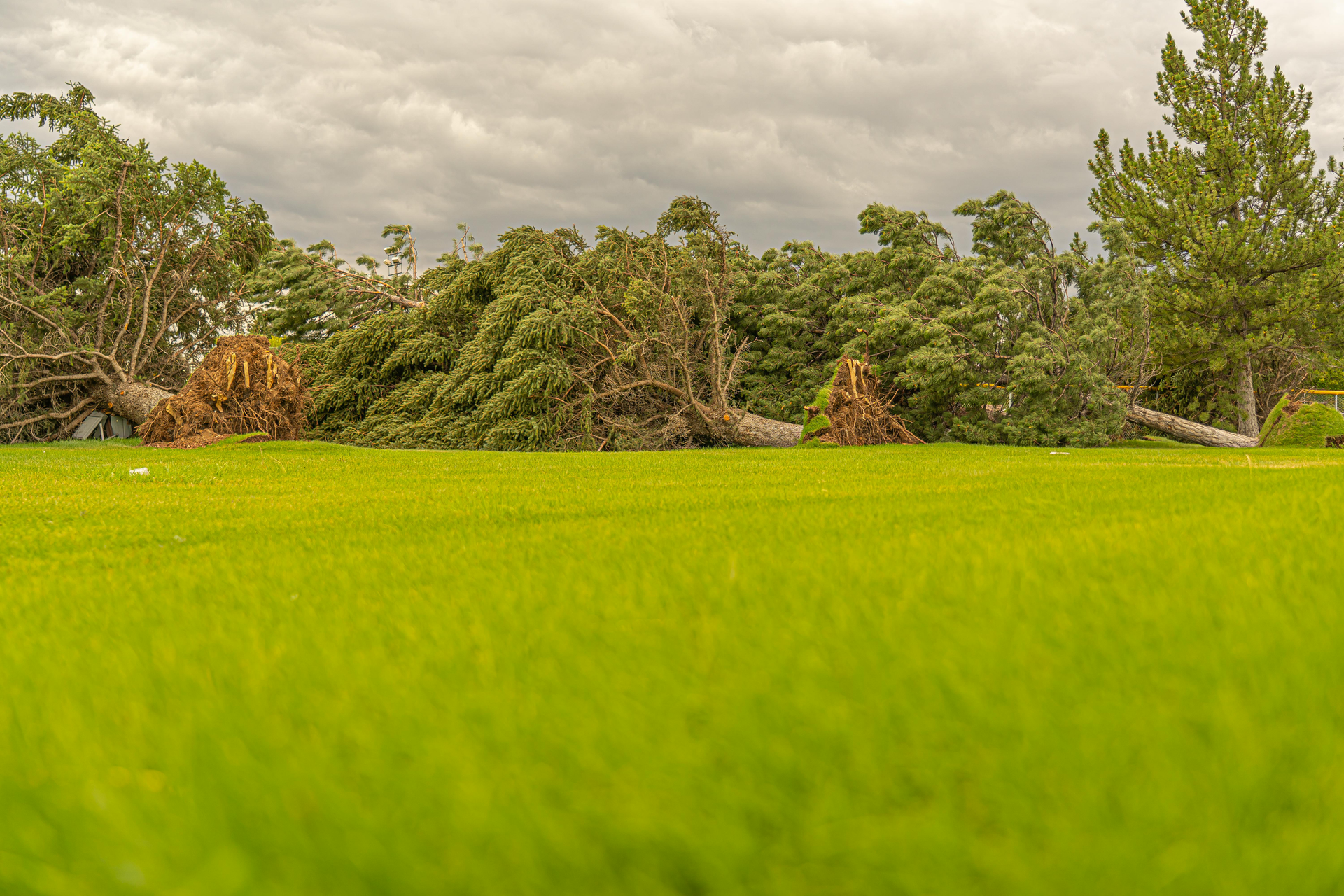
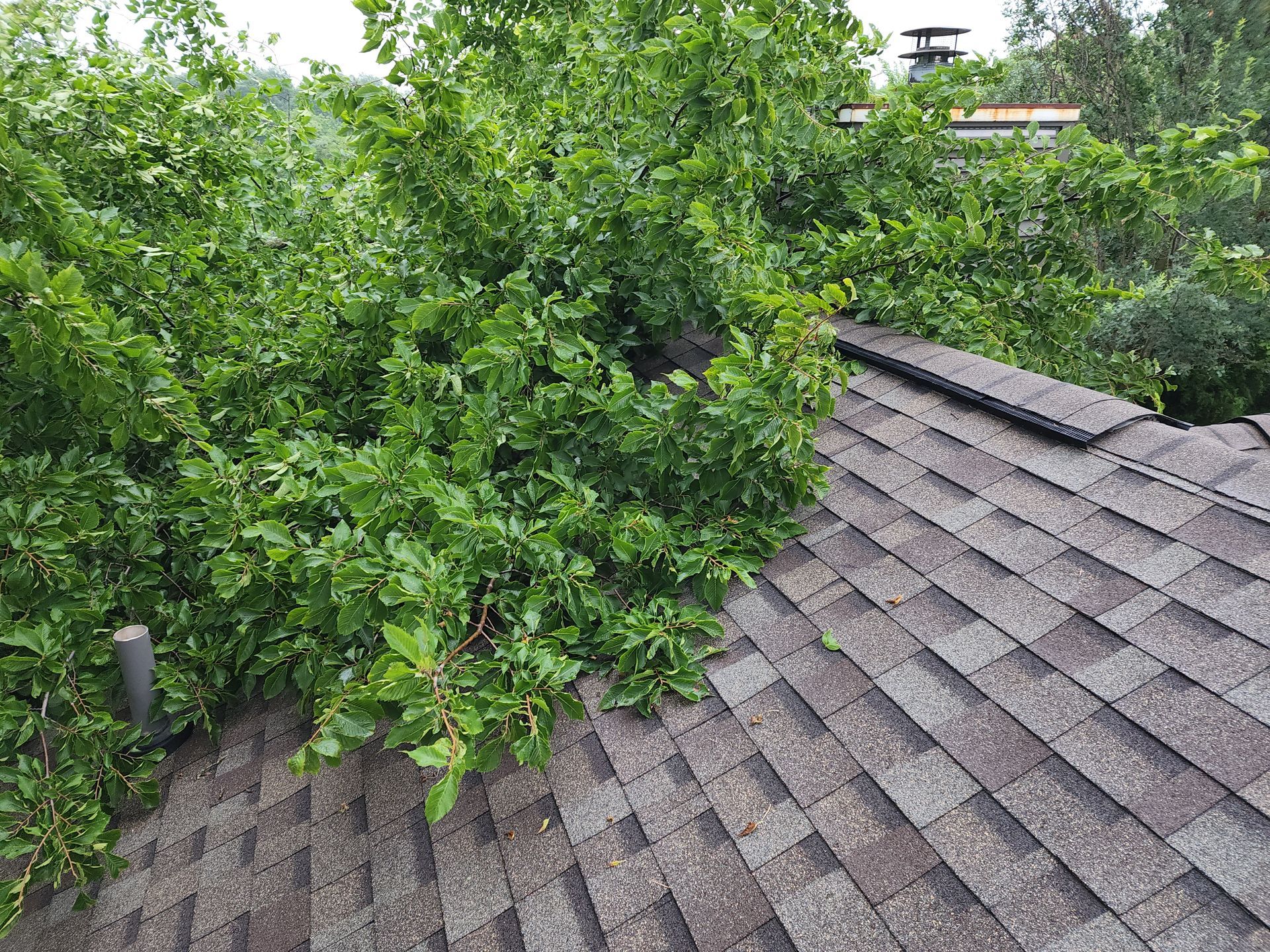
Northwest Indiana's severe weather season runs roughly from May through September. The same lake that moderates winter temperatures also channels severe storm systems down from Canada and Lake Superior through spring and summer. Deadwood, overextended limbs, and branches with weak attachment points are all potential projectiles during a high-wind event. Trees that are properly trimmed in spring go into storm season with significantly reduced risk of causing damage to your home or property.
The cost comparison is straightforward. A planned tree trimming visit costs a fraction of what emergency storm damage removal costs, and it doesn't come with the additional expense of repairing what the falling limb damaged on the way down. For homeowners in Portage, Ogden Dunes, Beverly Shores and other lakeshore communities, where storms can arrive fast and hit hard, spring trimming is genuine risk management, not just landscaping.
Scheduling Is Easier in Spring Than in Summer
The first week after a major NWI storm, every tree service company in the region is fully booked. Homeowners who haven't established a relationship with a company, and who don't have urgent needs to bump them up the priority list, often wait weeks for service. Spring, before storm damage season hits, is when scheduling is most flexible and response times are most predictable.
Trees Plus serves all of Lake and Porter Counties , and spring is when we're able to plan and execute trimming projects efficiently without the time pressure of competing emergency calls. If you've been meaning to have a large tree trimmed, assessed, or have deadwood removed, contacting us in March or April rather than June or July means a faster appointment, a more thorough job, and better results for your trees going into the growing season.
What Spring Trimming Should Include
A quality spring trimming visit from a licensed, insured professional should include removal of all dead, dying, and diseased branches throughout the canopy. It should address any branches crossing or rubbing against each other, any limbs with narrow, weak crotch attachments, and any growth that is reducing clearance from your home, roof, or utility lines. For mature trees, a structural assessment is worthwhile even if no trimming is immediately needed, as it establishes a baseline that makes future visits more efficient.
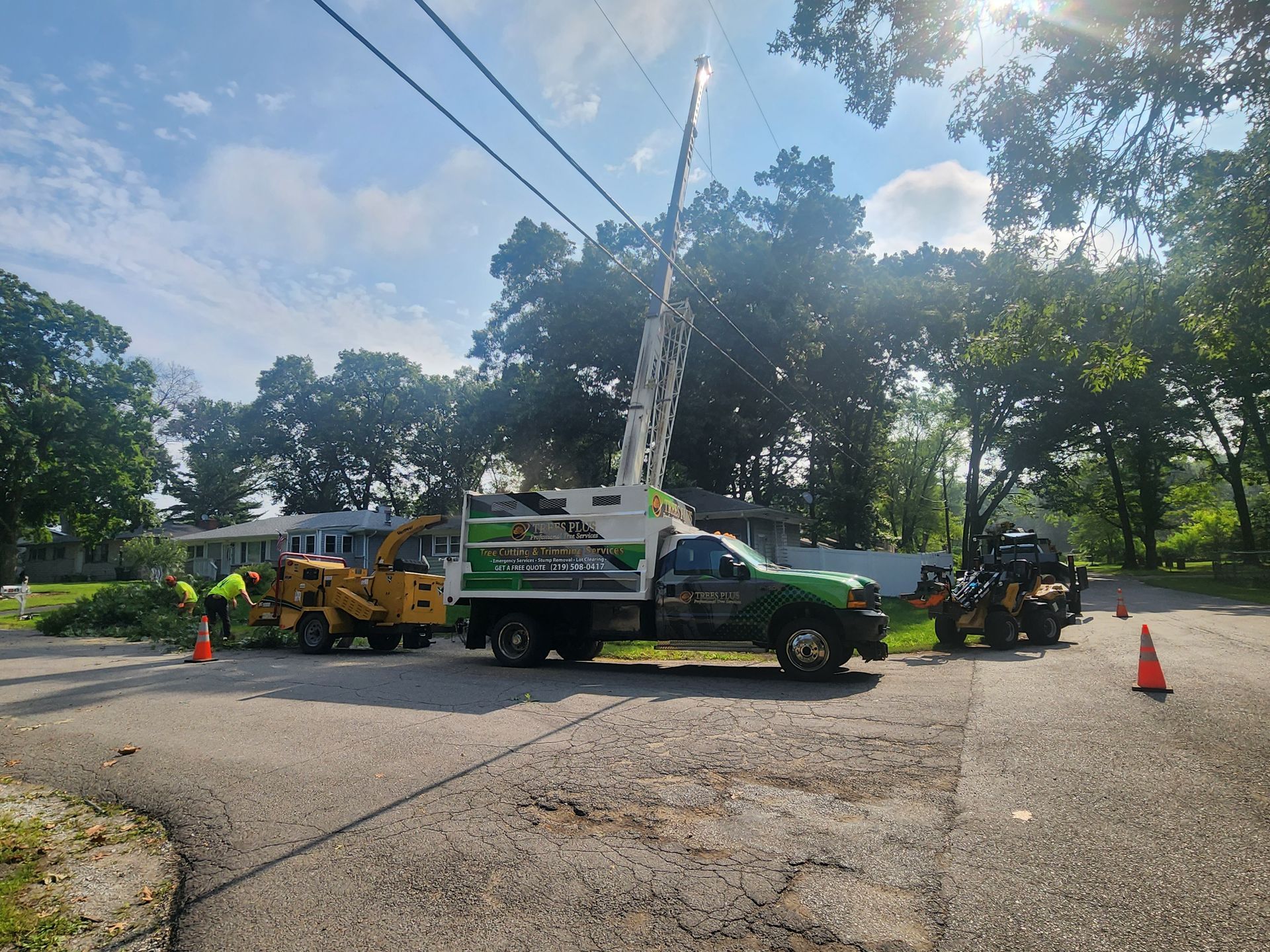
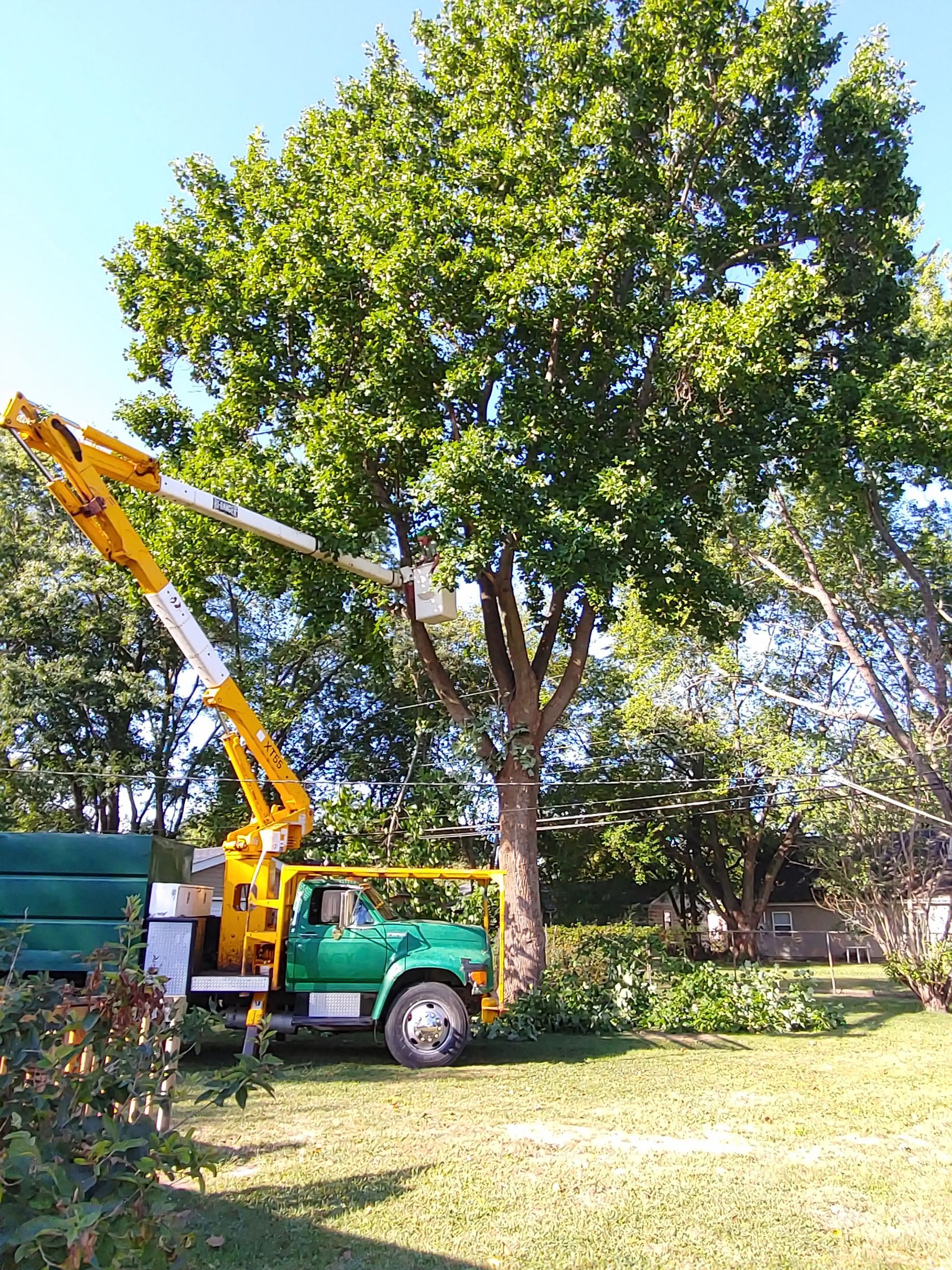
Trees Plus has been performing spring tree care throughout Northwest Indiana since 2014. Our crew is fully licensed, bonded, and insured, and we bring the equipment, including two bucket trucks and a 94-foot crane, needed to access and properly trim large canopy trees safely. Call us at 219-508-0417 or visit our contact page to schedule your spring trimming assessment. Getting your trees in good shape before summer arrives is one of the most practical things a homeowner can do for their property.