When Should a Tree Be Removed Instead of Trimmed?
One of the most common questions we get from Northwest Indiana homeowners is also one of the hardest to answer over the phone. Should this tree be removed, or can it be saved with trimming? The honest answer is that it depends on a small number of specific factors that determine whether a tree is structurally salvageable or whether removal is the safer call. This guide walks through how to think about that decision the way our crew thinks about it during an on-site assessment.
Trees Plus has been making this call for Porter and Lake County homeowners since 2014, and we'd rather help you understand the framework than just tell you what to do. The more clearly you can see what's actually happening with your tree, the better the decision you'll make, and the less likely you are to either remove a tree that could have been saved or hold onto one that should have come down.
Start With What Trimming Can and Cannot Fix
Trimming is the right answer when a tree is fundamentally healthy and structurally sound, but has specific problems that can be addressed by removing material. A healthy oak with deadwood scattered through the canopy, a silver maple with limbs encroaching on your roof, a tree that has grown asymmetrically and needs balancing, these are trimming jobs. The tree itself is in good shape, and selective cuts can solve the problem without taking the tree down.
Trimming cannot fix structural problems with the tree itself. If the main trunk is compromised, if the root system is failing, if the heartwood is rotting from the inside, or if the tree is leaning toward a structure because of root instability, no amount of trimming will fix that. In those cases, trimming is at best a temporary patch on a problem that will keep getting worse. The decision-making question is whether the issue is in the branches or in the trunk and roots. Branch problems are trimming jobs. Trunk and root problems are usually removal jobs.
Warning Signs That Lean Toward Removal
There are five conditions where removal is almost always the right call, regardless of how healthy the tree looks from a distance:
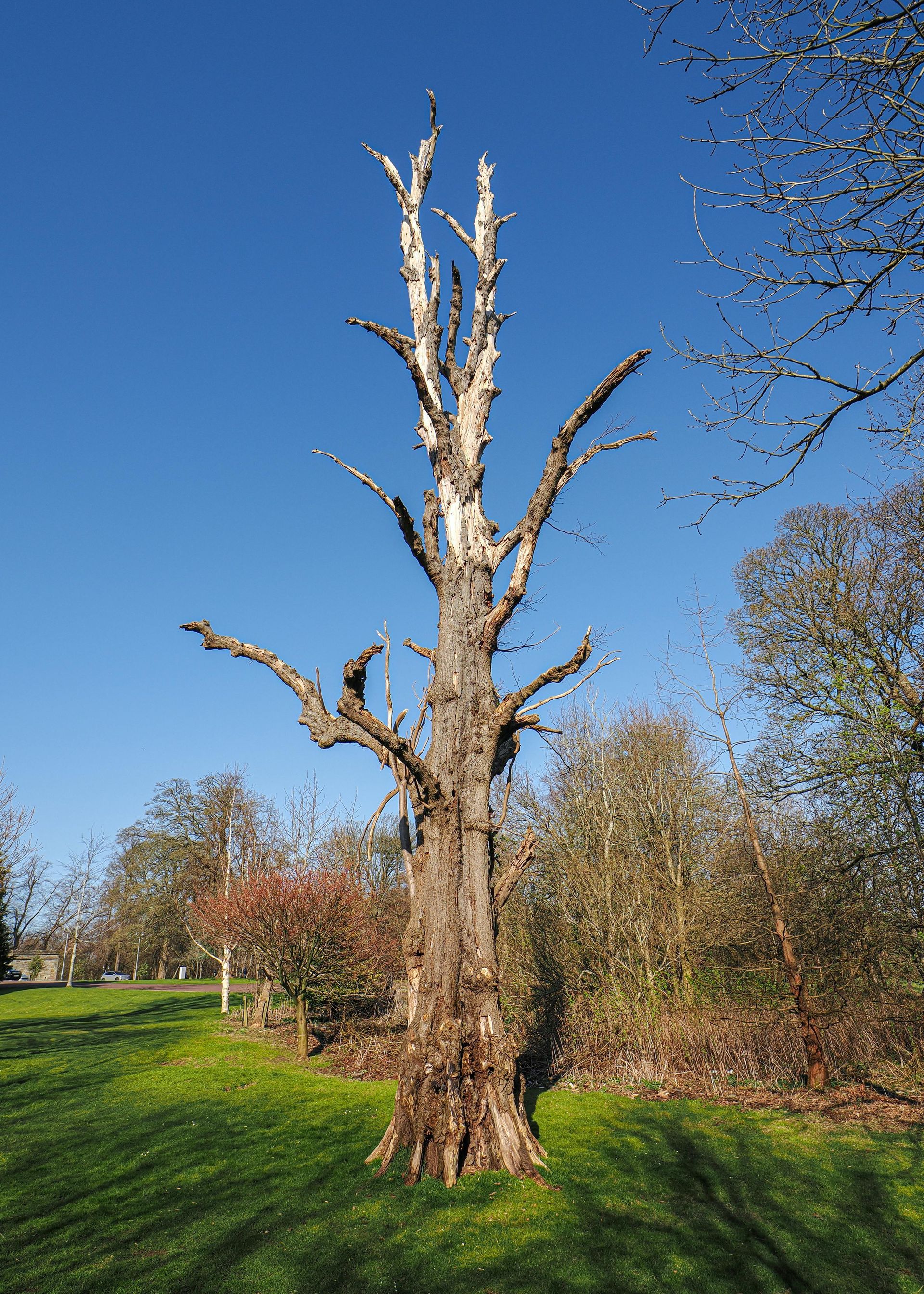
Significant trunk decay or hollow areas. If you can knock on the trunk and hear a hollow sound, or if you see exposed rotted wood, fungal conks, or shelf fungus growing on the main trunk, the structural integrity of the tree is compromised. The canopy may still look full and green because the outer sapwood is alive, but a hollow tree is one strong wind away from snapping at the weakened point. This is one of the most underestimated hazard patterns we see on Lake and Porter County properties.
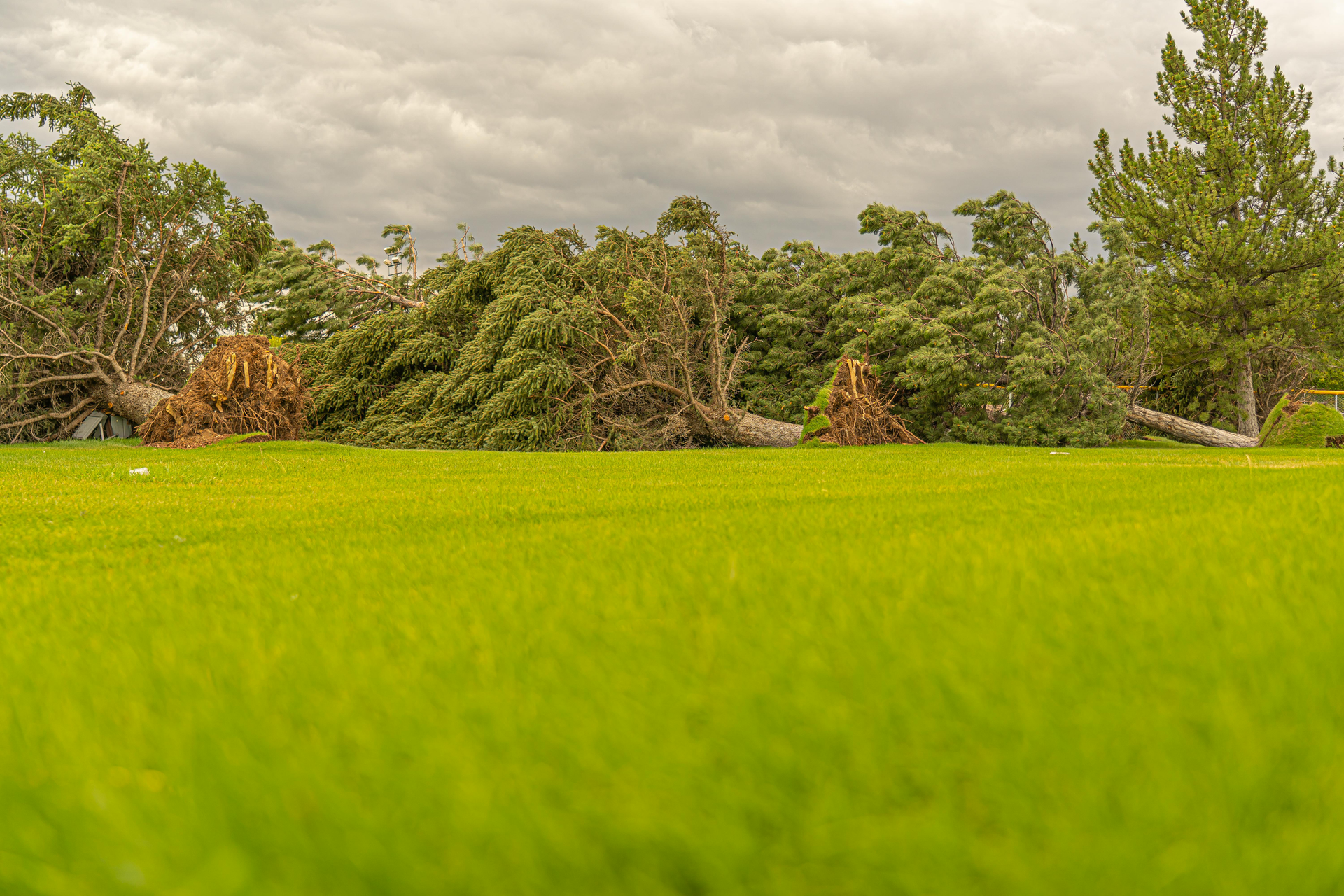
Major root damage or visible root lifting. If the soil is heaving up around the base of the tree, particularly on the side opposite a lean, the root system is no longer holding the tree securely. This often happens after major storm events, especially in the sandy lakeshore soils common in Porter County communities like Dune Acres and Beverly Shores, but it can happen anywhere after construction work, grade changes, or sustained wet conditions. Root failure is not reversible.
A new or worsening lean toward a structure. Trees that have grown at a slight angle their whole life are usually stable. Trees that have started leaning recently, or whose lean is increasing year over year, are telling you something important. Compare what you see now to photos from previous years if you have them. A lean that has shifted measurably is a strong removal candidate.
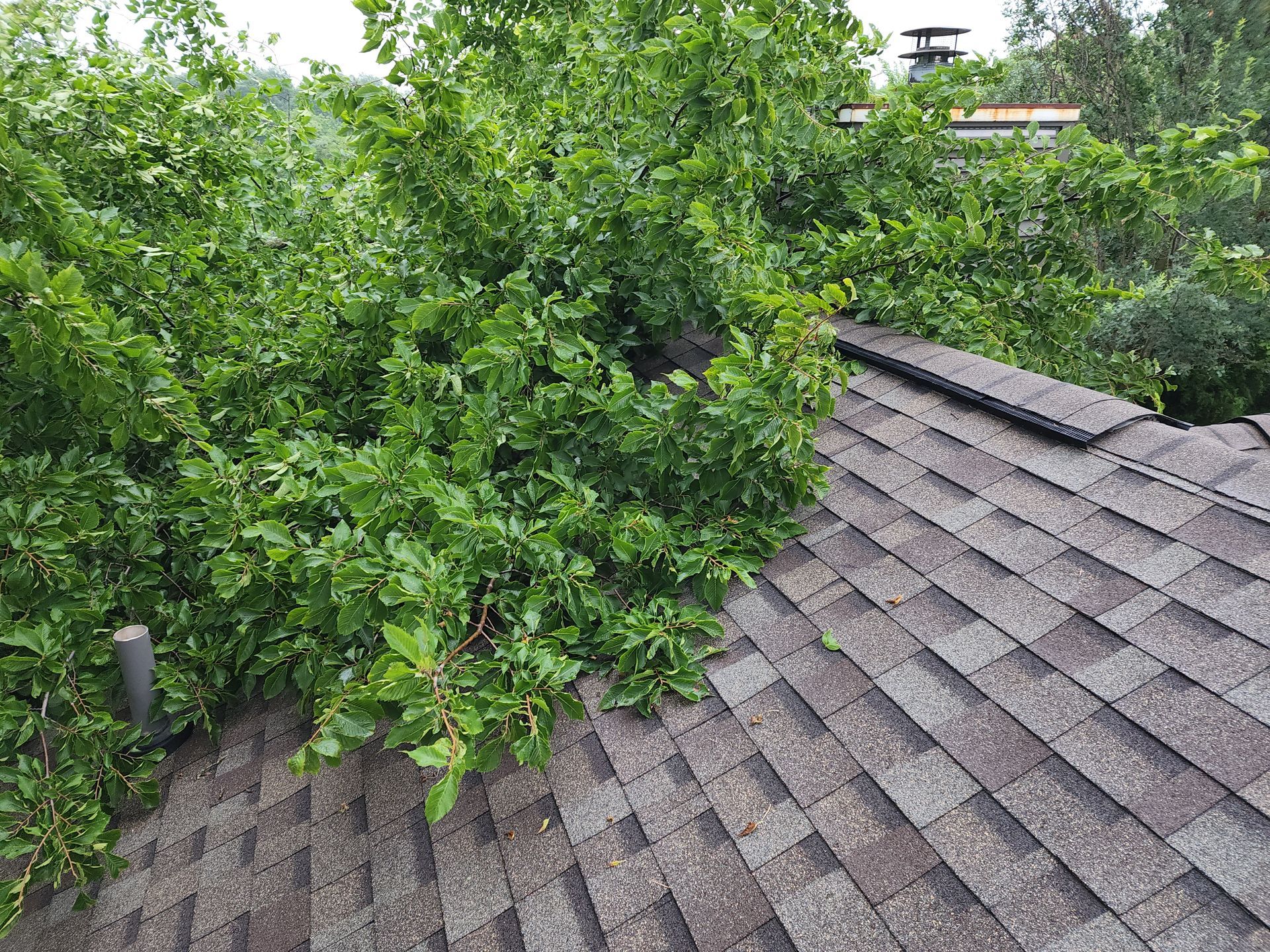
Major branch failures from the main scaffold. When large primary limbs (the ones attached directly to the trunk) crack, split, or fail, the tree's overall architecture is compromised. Trimming can clean up the damage, but the tree now has fewer load-bearing limbs distributing weight and wind forces. After an event like this, particularly in older silver maples which are everywhere in established Lake County neighborhoods like Highland, Munster, and Hammond, assessing whether the remaining structure can carry the load is genuinely important.
Storm damage that has split the trunk or exposed internal wood. A trunk split by lightning, ice loading, or wind shear is rarely something that can be repaired. Tree cabling can sometimes stabilize a split before it gets worse, but a trunk that has already failed structurally is a removal job most of the time.
What Storm Damage Specifically Looks Like in NWI
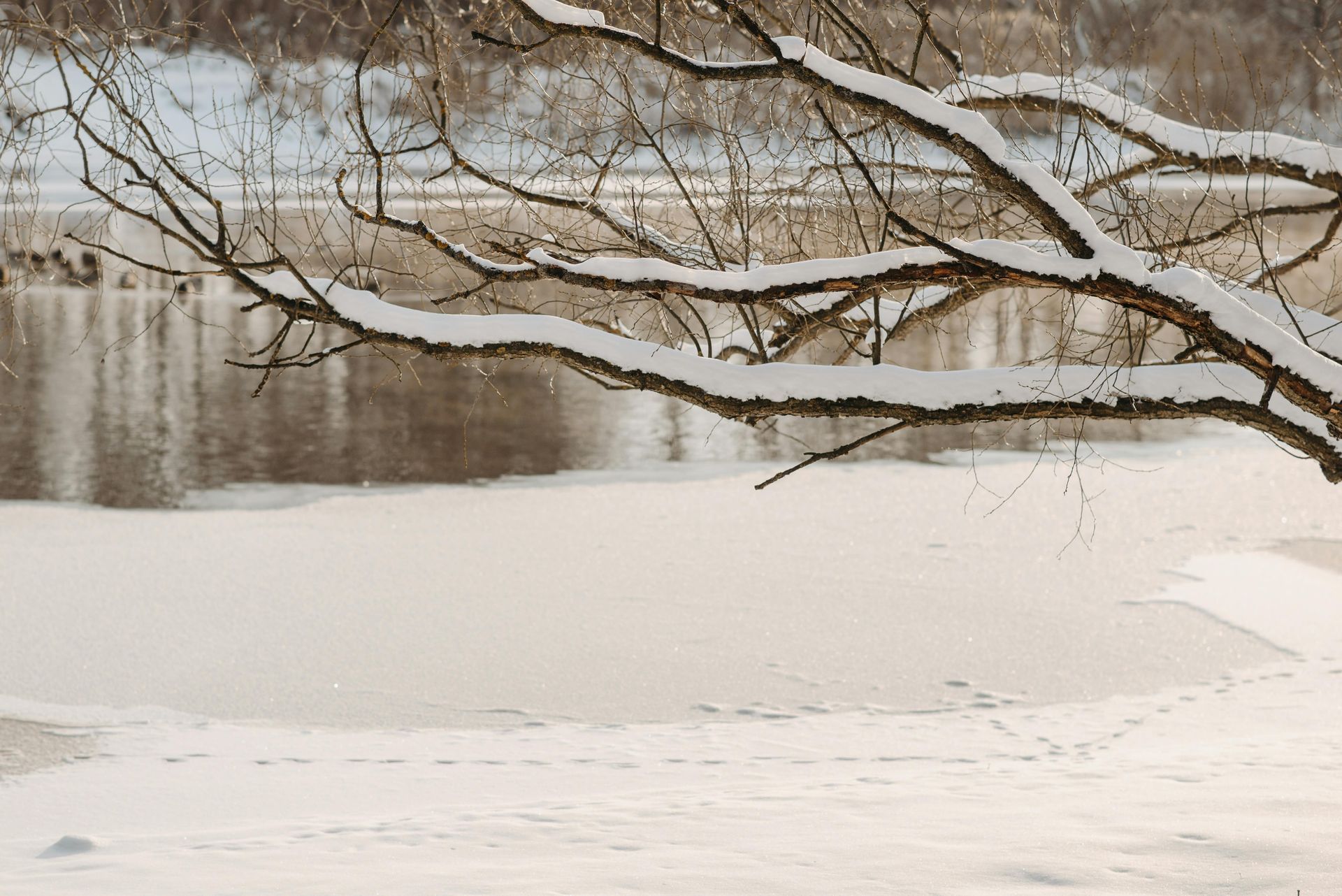
Northwest Indiana sees a recurring cycle of stressors that other regions don't deal with as intensely. Lake Michigan wind exposure pushes trees in consistent directions for days at a time, gradually loosening root systems. Ice storms add weight loading that's particularly hard on silver maples and elms. Fast-moving summer storm cells tracking off the lake can drop straight-line winds capable of taking down even healthy trees. The trees that survive on Porter and Lake County properties have learned to live with all of this, but every major event also damages some of them in ways that aren't always obvious immediately.
After any significant storm, walk your property and pay attention to anything that looks different. Hanging or partially detached limbs (sometimes called widow makers when they stay suspended in the canopy) should be removed promptly. New bark splits or cracks on the trunk should be assessed. Any tree that looks like its position has shifted, even slightly, deserves a professional look. Trees that survive a storm but are compromised often fail in the next one.
When Trimming Is the Right Answer
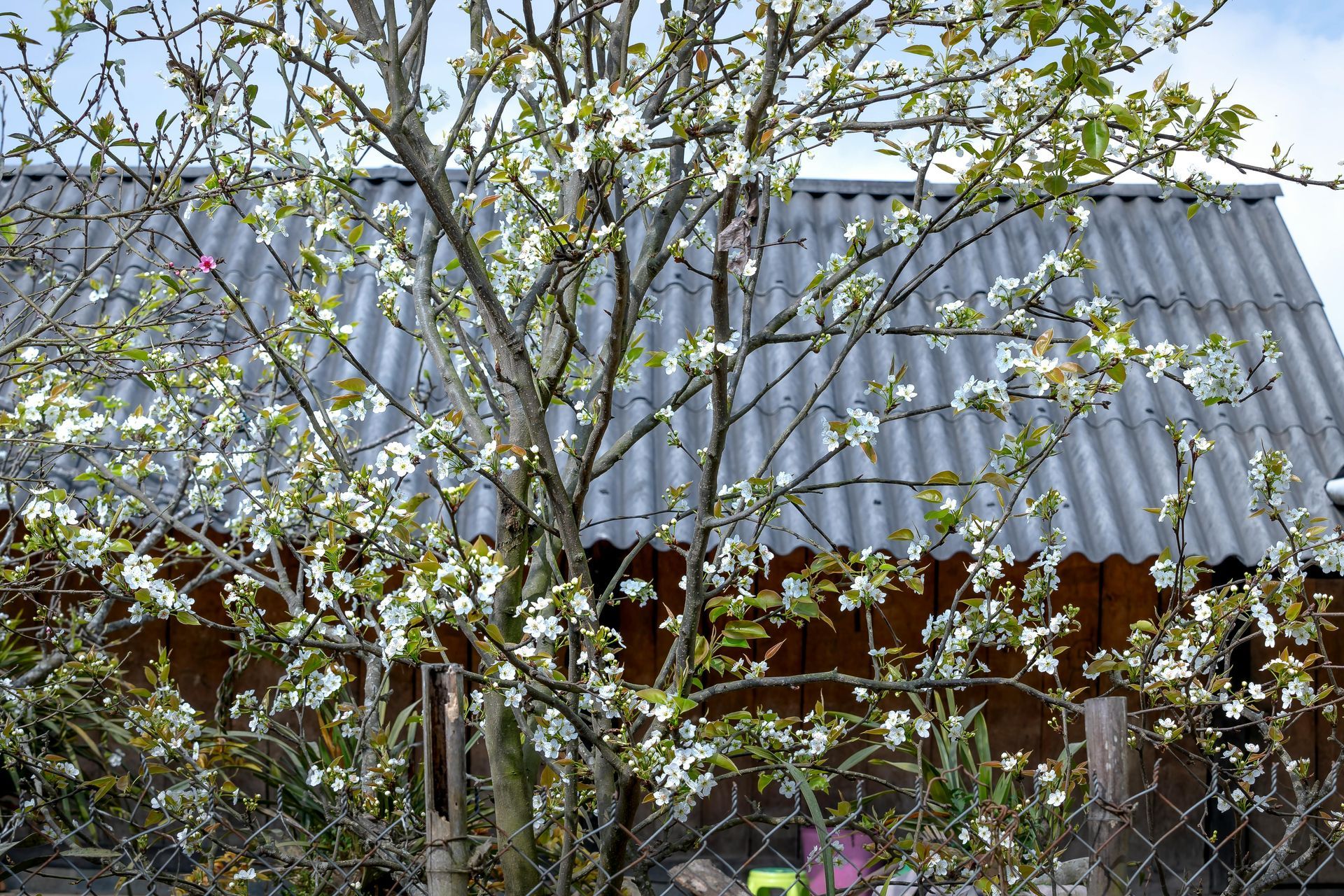
To be clear, the majority of tree work we do in Porter and Lake Counties is trimming, not removal. Most trees can be maintained safely for decades with appropriate professional care. If your tree has dead branches but a sound trunk and stable roots, trimming is what it needs. If overgrown limbs are threatening your roof or gutters, trimming. If the canopy is unbalanced or shading critical areas, trimming. If you have an oak that needs pruning, doing it in the right season (before mid-April or after July 15, to avoid oak wilt vector season) is one of the most valuable tree care decisions a homeowner can make.
Removing a tree that could have been saved is a loss that can't be reversed. Holding onto a tree that should have come down can damage your home or hurt someone. Getting the call right matters.
Get an Honest Assessment Before You Decide
If you're not sure whether your tree needs to come down or just needs maintenance, the right move is to get a professional assessment before making the decision. Trees Plus provides free, no-obligation on-site evaluations throughout Lake and Porter Counties. Our crew will look at the trunk condition, the root zone, the canopy structure, and the surrounding context, and give you a straight answer. Sometimes that answer is removal. Often it's trimming. Occasionally it's monitoring the tree for another year and revisiting.
We don't push removal on jobs that don't need it. A tree service company that's making decisions for the homeowner's long-term benefit rather than the short-term invoice is the kind you want on your property. Call 219-508-0417 or visit our contact page to schedule a free assessment. Whatever your tree turns out to need, you'll know your decision was made with good information.